
Gastroenterology
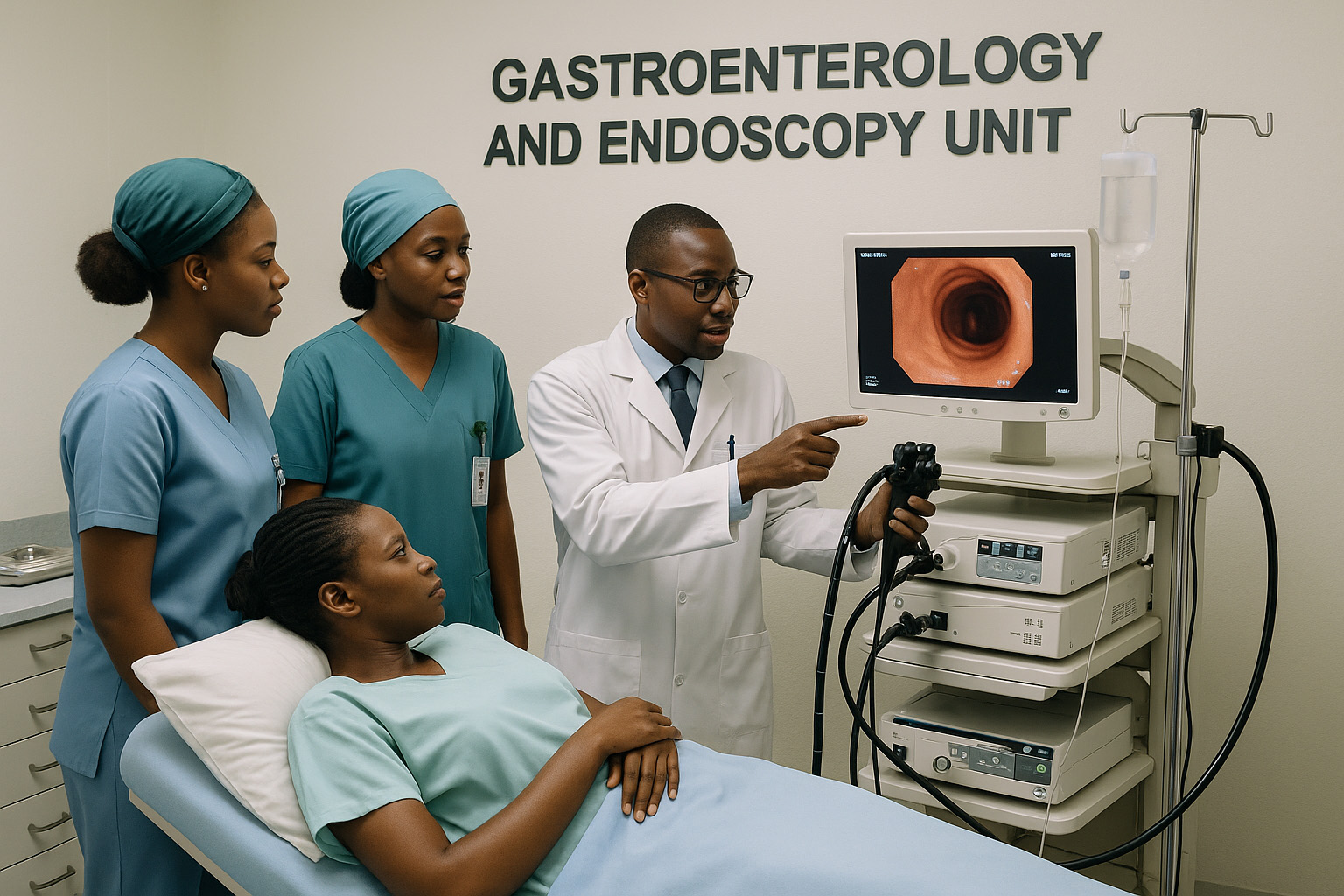
Specialist Care for the Digestive System, Liver, Stomach, Intestines, and Bowel Health
At UNTH Clinics, our Gastroenterology Clinic provides specialist evaluation and care for conditions affecting the digestive system, including the oesophagus, stomach, intestines, liver, gallbladder, pancreas, and bowel.
The clinic supports patients with abdominal pain, indigestion, heartburn, vomiting, diarrhoea, constipation, bloating, jaundice, liver disease concerns, blood in stool, unexplained weight loss, swallowing difficulty, and other digestive health problems.
What Is Gastroenterology?
Gastroenterology is the branch of medicine focused on the digestive system and related organs. It deals with the diagnosis, treatment, prevention, and long-term management of conditions affecting digestion, absorption, bowel habits, liver function, and gastrointestinal comfort.
A gastroenterologist evaluates symptoms, identifies possible causes, recommends appropriate tests, treats digestive disorders, and coordinates advanced procedures or referrals where required.
Core Services
Our Gastroenterology Clinic provides:
- Specialist digestive health consultation
- Abdominal pain evaluation
- Indigestion, reflux, and heartburn assessment
- Nausea and vomiting review
- Diarrhoea and constipation evaluation
- Bloating and excessive gas assessment
- Liver disease assessment and monitoring
- Hepatitis-related digestive and liver review
- Jaundice evaluation
- Blood in stool assessment
- Swallowing difficulty evaluation
- Unexplained weight loss assessment
- Medication-related stomach or liver concern review
- Referral coordination for endoscopy, colonoscopy, imaging, or advanced care where required
Conditions We Manage
We assess and manage or coordinate care for conditions such as:
- Gastritis
- Acid reflux / gastro-oesophageal reflux symptoms
- Peptic ulcer disease symptoms
- Persistent indigestion
- Abdominal pain
- Vomiting and nausea
- Diarrhoea
- Constipation
- Irritable bowel syndrome-related symptoms
- Blood in stool
- Haemorrhoid-related digestive complaints requiring appropriate referral
- Liver disease concerns
- Hepatitis B and C-related liver concerns
- Fatty liver-related concerns
- Jaundice
- Gallbladder-related symptoms
- Pancreatic disease-related concerns where suspected
- Swallowing difficulty
- Unexplained weight loss with digestive symptoms
- Anaemia suspected to be related to gastrointestinal blood loss
Patients with severe abdominal pain, persistent vomiting, vomiting blood, black stool, severe dehydration, jaundice with weakness, or suspected bowel obstruction may require urgent care.
When to See a Gastroenterologist
You should visit the Gastroenterology Clinic if you have:
- Persistent abdominal pain
- Frequent heartburn or acid reflux
- Indigestion that does not improve
- Difficulty swallowing
- Persistent vomiting or nausea
- Long-standing diarrhoea or constipation
- Blood in stool or black stool
- Unexplained weight loss
- Yellow eyes or jaundice
- Abdominal swelling
- Known hepatitis or liver disease
- Abnormal liver function test results
- Recurrent bloating or bowel habit changes
- Family history of significant digestive disease
- Need for specialist review before endoscopy or colonoscopy
Urgent attention is needed for vomiting blood, black stool, severe abdominal pain, persistent vomiting, severe dehydration, or sudden abdominal swelling.
Gastroenterology Tests and Examinations
Depending on your symptoms, your doctor may recommend:
- Detailed medical history and physical examination
- Abdominal examination
- Blood pressure, pulse, and basic clinical checks
- Full blood count
- Liver function test
- Kidney function test
- Electrolyte test
- Hepatitis screening where indicated
- Stool test where infection or bleeding is suspected
- Urinalysis where required
- Blood sugar testing where clinically relevant
- Abdominal ultrasound scan
- X-ray or CT referral where indicated
- Endoscopy referral where upper digestive tract evaluation is needed
- Colonoscopy referral where lower bowel evaluation is needed
- Additional specialist tests where clinically necessary
These tests help identify the cause of digestive symptoms and guide safe treatment or referral.
Basic Equipment and Support Available
Our Gastroenterology Clinic is supported by essential clinical tools and hospital-based diagnostic support, including:
- Examination couch
- Blood pressure monitor
- Stethoscope
- Pulse oximeter
- Weighing scale
- Basic abdominal examination support
- Laboratory support
- Pharmacy support
- Ultrasound referral pathway
- X-ray and CT referral pathway where required
- Endoscopy and colonoscopy referral pathway where indicated
- Emergency response support
- EMR-based clinical documentation and follow-up support
Where advanced endoscopy, colonoscopy, liver procedures, specialist imaging, or inpatient care is required, patients may be referred or co-managed through appropriate specialist pathways.
Treatments and Care Pathways
Our gastroenterology team may provide or coordinate:
- Treatment for indigestion, reflux, and ulcer-related symptoms
- Management of diarrhoea or constipation
- Liver disease monitoring and follow-up
- Hepatitis-related care coordination where required
- Medication review for stomach or liver safety
- Diet and lifestyle counselling for digestive health
- Symptom control for chronic digestive conditions
- Referral for endoscopy or colonoscopy where indicated
- Emergency referral for serious digestive symptoms
- Follow-up after hospital admission or digestive procedures
Patients with chronic digestive or liver conditions may require regular monitoring, repeat tests, medication review, dietary guidance, and coordinated specialist care.
Why Choose UNTH Clinics?
At UNTH Clinics, we provide structured digestive care focused on careful assessment, safe treatment, early detection of warning signs, patient education, and organised follow-up.
Patients benefit from our integrated hospital environment, laboratory support, pharmacy access, imaging referral pathways, endoscopy referral coordination where required, and clinical documentation system.
What to Expect During Your Visit
Your visit may include:
- Registration and medical history review
- Discussion of symptoms, meals, bowel habits, medications, and previous treatments
- Basic vital signs check
- Abdominal or relevant physical examination
- Review of previous laboratory, stool, scan, or endoscopy results
- Recommended tests where needed
- Diagnosis or clinical assessment
- Treatment plan, medication review, referral, or follow-up schedule
Please come with previous test results, scan reports, endoscopy or colonoscopy reports if available, current medications, and any record of liver disease or hepatitis treatment.
Book a Gastroenterology Appointment
Digestive symptoms should be properly assessed, especially when they persist, recur, or are associated with weight loss, bleeding, jaundice, or severe pain.
To book an appointment with the Gastroenterology Clinic at UNTH Clinics, contact our front desk, visit the hospital, or use our available appointment channels.
UNTH Clinics — clearer digestive answers, safer treatment, better patient experience.