🧴 Dermatology

Home / Services / 🧴 Dermatology

Specialist Care for the Skin, Hair, Nails, and Related Conditions

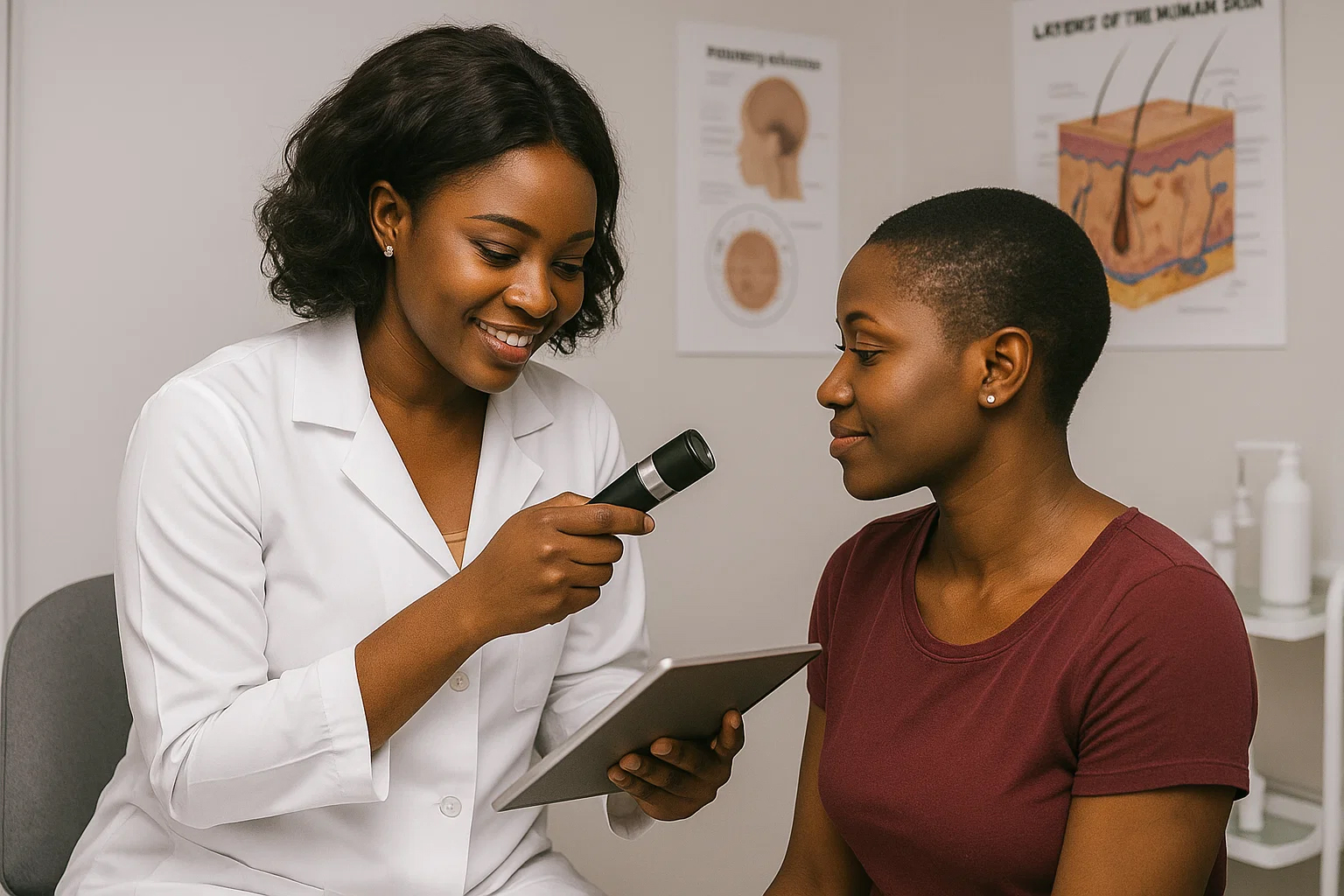
At UNTH Clinics, our Dermatology Clinic provides specialist evaluation and care for conditions affecting the skin, hair, nails, sweat glands, and visible body surfaces. The clinic supports patients with rashes, itching, acne, skin infections, pigmentation concerns, allergic skin reactions, wounds, hair loss, nail problems, and chronic skin diseases.

Skin conditions can affect comfort, confidence, sleep, work, social life, and overall wellbeing. Some skin problems may also reflect underlying medical conditions such as allergies, infections, diabetes, autoimmune disease, drug reactions, or hormonal imbalance. Our approach focuses on proper diagnosis, safe treatment, patient education, and follow-up care where needed.

What Is Dermatology?

Dermatology is the branch of medicine focused on the skin, hair, nails, and related structures. It involves the diagnosis, treatment, prevention, and long-term management of skin diseases and cosmetic or appearance-related skin concerns.

A dermatologist assesses visible skin changes, identifies possible causes, prescribes appropriate treatment, and guides patients on how to protect and maintain healthy skin.

Core Services

Our Dermatology Clinic provides:

  • Specialist skin consultation
  • Assessment of rashes and itching
  • Acne evaluation and treatment
  • Eczema and dermatitis care
  • Skin allergy assessment
  • Fungal, bacterial, and viral skin infection treatment
  • Pigmentation and dark patch evaluation
  • Hair loss assessment
  • Nail disease evaluation
  • Chronic skin disease follow-up
  • Drug reaction assessment
  • Skin changes related to diabetes or other medical conditions
  • Wound and ulcer-related skin assessment
  • Patient education on skin care and prevention
  • Referral coordination for biopsy, advanced procedures, or specialist care where required

Conditions We Manage

We assess and manage common and chronic skin conditions, including:

  • Acne
  • Eczema
  • Dermatitis
  • Allergic skin reactions
  • Urticaria / hives
  • Fungal skin infections
  • Ringworm
  • Bacterial skin infections
  • Boils and abscess-related concerns
  • Viral skin infections
  • Warts
  • Herpes-related skin concerns
  • Itching without obvious rash
  • Psoriasis-related symptoms
  • Skin pigmentation problems
  • Melasma and dark patches
  • Hair loss
  • Dandruff and scalp conditions
  • Nail infections and nail changes
  • Skin ulcers and chronic wounds
  • Diabetic skin problems
  • Drug-related skin reactions
  • Unexplained skin swelling, redness, or peeling

Patients with severe skin reactions, rapidly spreading infection, extensive burns, or skin symptoms with fever may require urgent care.

When to See a Dermatologist

You should visit the Dermatology Clinic if you have:

  • Persistent itching
  • Skin rash that does not improve
  • Recurrent boils or skin infections
  • Acne that is painful, severe, or causing scars
  • Sudden skin swelling or allergic reaction
  • Skin peeling, blistering, or painful redness
  • Dark patches or unusual pigmentation changes
  • Hair loss or scalp problems
  • Nail thickening, discoloration, or pain
  • Wounds or ulcers that are not healing
  • Skin changes associated with diabetes
  • Skin reaction after taking medicine
  • A mole or skin growth that changes in size, colour, shape, or bleeds
  • Chronic skin condition needing regular follow-up

Urgent medical attention is needed for severe allergic reactions, skin peeling with fever, rapidly spreading infection, or swelling of the lips, face, or throat.

Dermatology Tests and Examinations

Depending on your symptoms, your doctor may recommend:

  • Detailed skin history and physical examination
  • Examination of the skin, scalp, hair, nails, and mucous membranes where relevant
  • Blood sugar testing where diabetes-related skin problems are suspected
  • Full blood count where infection or inflammation is suspected
  • Skin scraping for fungal infection where indicated
  • Swab test or culture for infected wounds or discharge where required
  • Allergy-related assessment where clinically appropriate
  • Liver or kidney function tests where medication monitoring is needed
  • Hormonal evaluation where hair loss or acne suggests endocrine causes
  • Skin biopsy referral where a lesion requires further investigation

These tests help confirm the cause of skin symptoms and guide safe treatment.

Basic Equipment and Support Available

Our Dermatology Clinic is supported by essential clinical tools and hospital-based diagnostic support, including:

  • Examination couch
  • Examination light
  • Magnifying lens or dermatoscope where available
  • Gloves and basic dermatology procedure materials
  • Skin swab and sample collection support
  • Wound dressing materials
  • Basic wound care support
  • Laboratory support
  • Pharmacy support
  • Glucometer access where required
  • Imaging or specialist referral pathway where indicated
  • EMR-based clinical documentation and follow-up support

Where advanced dermatology procedures, biopsy, specialised wound care, or surgical review is required, patients may be referred or co-managed through the appropriate pathway.

Treatments and Care Pathways

Our dermatology team may provide or coordinate:

  • Creams, ointments, gels, and lotions
  • Oral medications where needed
  • Treatment for fungal, bacterial, viral, or parasitic skin infections
  • Acne treatment plans
  • Eczema and dermatitis management
  • Allergy and itching control
  • Scalp and hair-loss treatment guidance
  • Nail infection treatment
  • Wound and ulcer care coordination
  • Patient education on skin care, hygiene, and trigger avoidance
  • Medication review for suspected drug reactions
  • Referral for biopsy, surgery, or advanced dermatology care where needed

Patients with chronic skin conditions may require regular follow-up, medication adjustment, lifestyle guidance, and monitoring for recurrence.

Why Choose UNTH Clinics?

At UNTH Clinics, we provide structured dermatology care focused on proper diagnosis, safe treatment, patient education, and organised follow-up. We understand that skin conditions are not only physical; they can affect confidence, sleep, relationships, and emotional wellbeing.

Patients benefit from our integrated hospital environment, laboratory support, pharmacy access, clinical documentation, and referral coordination where advanced care is required.

What to Expect During Your Visit

Your visit may include:

  1. Registration and medical history review
  2. Discussion of symptoms, duration, triggers, allergies, and previous treatments
  3. Skin, hair, nail, or scalp examination
  4. Review of previous medications or test results
  5. Recommended tests where needed
  6. Diagnosis or clinical assessment
  7. Treatment plan, skin care advice, referral, or follow-up schedule

Please come with your current medications, previous creams or treatments used, laboratory results, photographs of earlier skin changes if available, and any history of drug reactions or allergies.

Book a Dermatology Appointment

Persistent skin, hair, or nail problems should be properly assessed rather than repeatedly self-treated.

To book an appointment with the Dermatology Clinic at UNTH Clinics, contact our front desk, visit the hospital, or use our available appointment channels.

UNTH Clinics — healthier skin, safer treatment, better patient experience.

Patient Promise

“We help you master your metabolism—for life, not just survival.”

Dr. Julia Jameson

Dr. Julia Jameson

Pediatrist

Cum sociis natoque penatibus et magnis dis parturient montesmus.

Dr. Chidinma Okoye

Dr. Chidinma Okoye

Consultant Dermatologist

Dr. Okoye brings over 12 years of experience diagnosing and managing

Dr. Ifeoma Nwachukwu

Dr. Ifeoma Nwachukwu

Consultant Obstetrician & Gynaecologist

Dr. Ifeoma is passionate about women's health and fertility.